- UX Design
- Human–Robot Interaction
- Robotics
Aquatonomy
A CMU independent-study project exploring interfaces for underwater inspection workflows, from human–robot route planning to an inspection-data portal.
- Timeframe
- 2024
- Role
- Project team member · CMU independent study
- Contribution
- Design-review agenda credit for the HRI route-planning section; the final deck documents related before-and-after interface iterations.
Robotic underwater inspection is only useful if a person can direct it.
Aquatonomy was an independent study at Carnegie Mellon, presented in December 2024. It looked at the interfaces around a robotic underwater inspection system — the software an operator uses to plan a scan, and the portal where the results are read.
The difficult part was not the robot. It was keeping a person in control of something that works out of sight: agreeing on where it should go, and making sense of what it found.
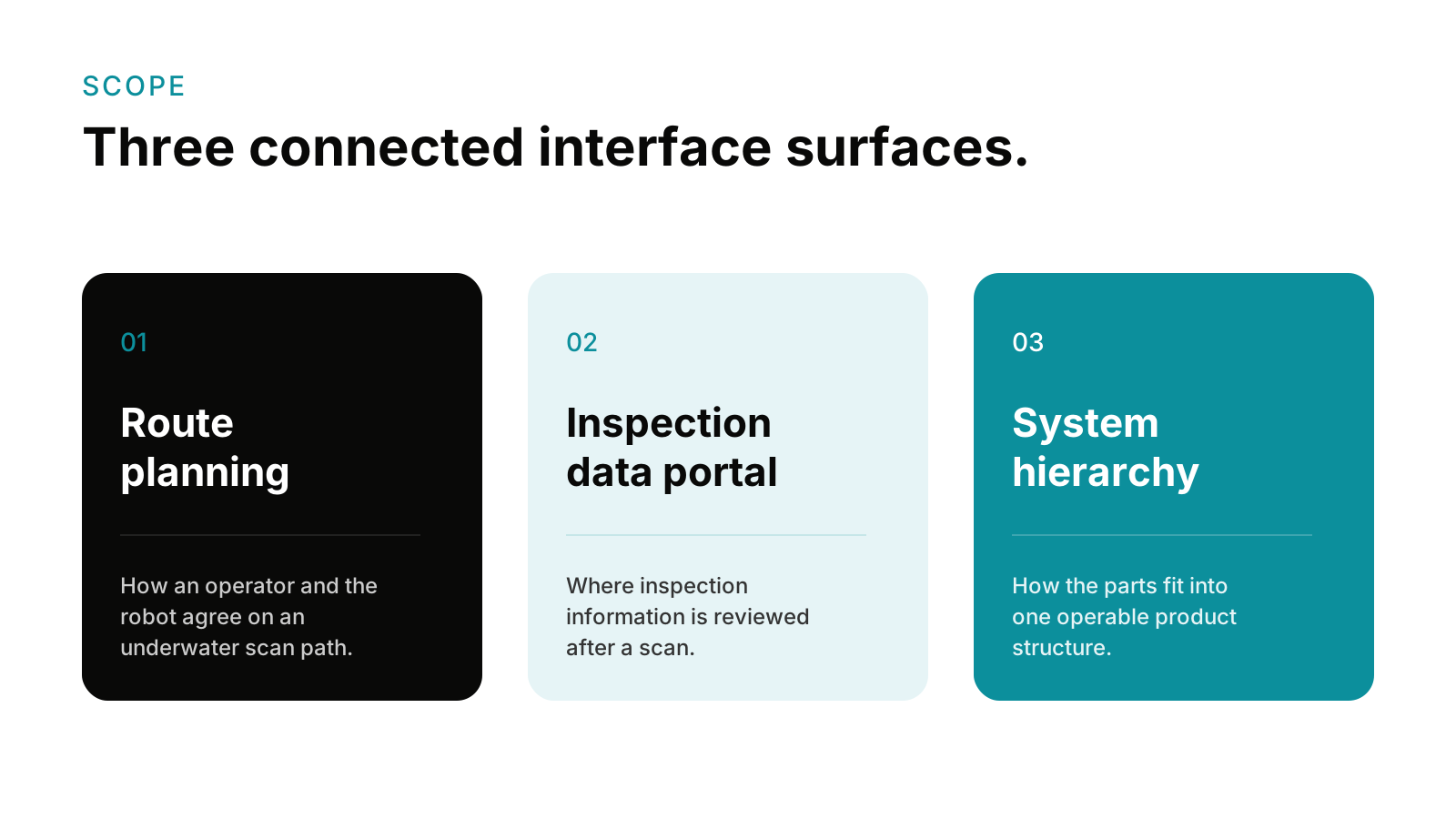
The work covered three connected surfaces.
Three interface areas had to work together: how an operator and the robot agree on a scan route, the portal where inspection data is reviewed afterward, and the overall hierarchy that tied them into one product.
Route planning is where a person and an autonomous system negotiate intent. The data portal is where the system reports back. Treating them separately would have produced two disconnected tools; the study treated them as one workflow.
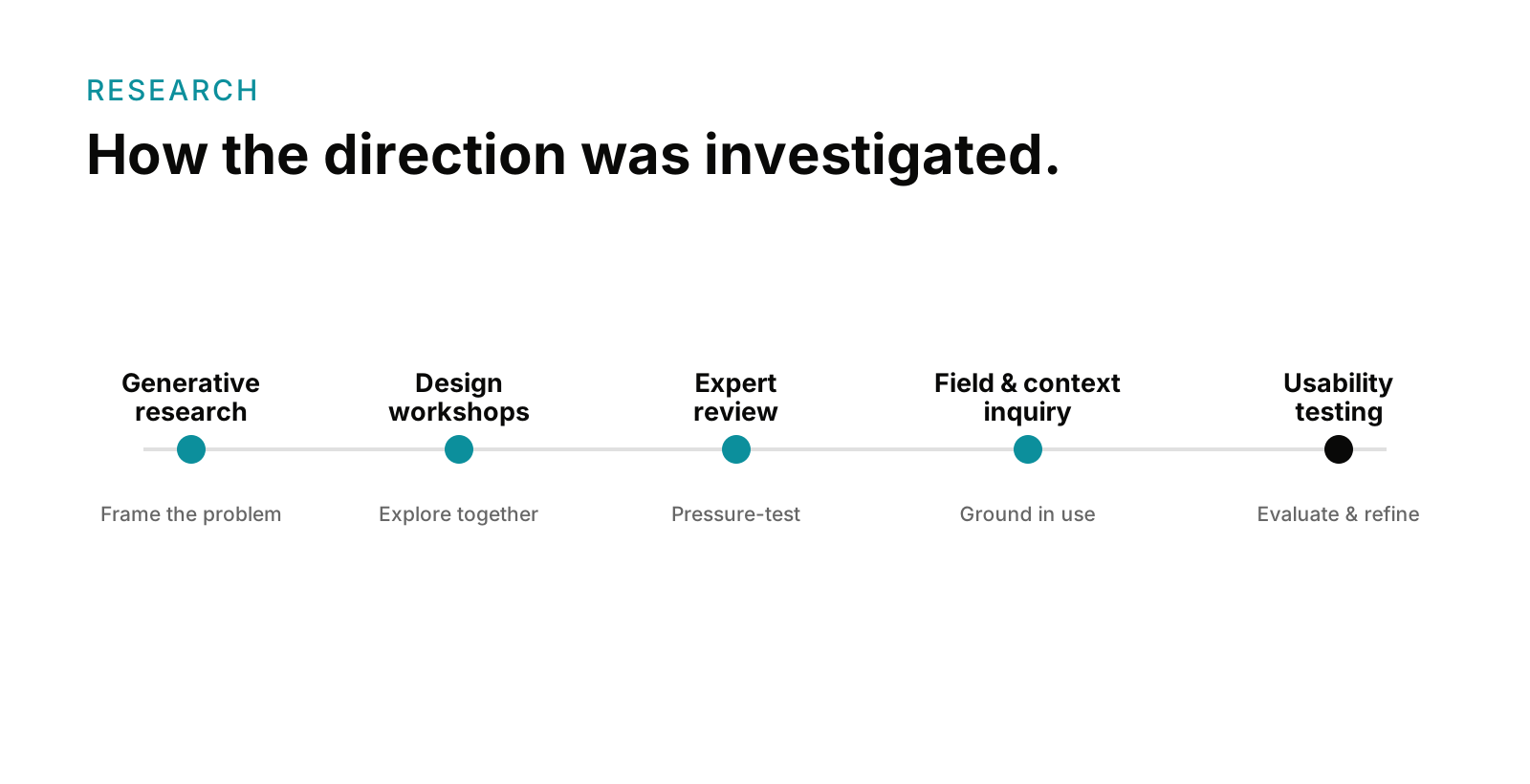
The direction came from several kinds of research, not one study.
The project documented generative research to frame the problem, design workshops to explore directions, expert review to pressure-test them, field and context inquiry to ground them in real inspection work, and evaluative usability testing to refine the interface.
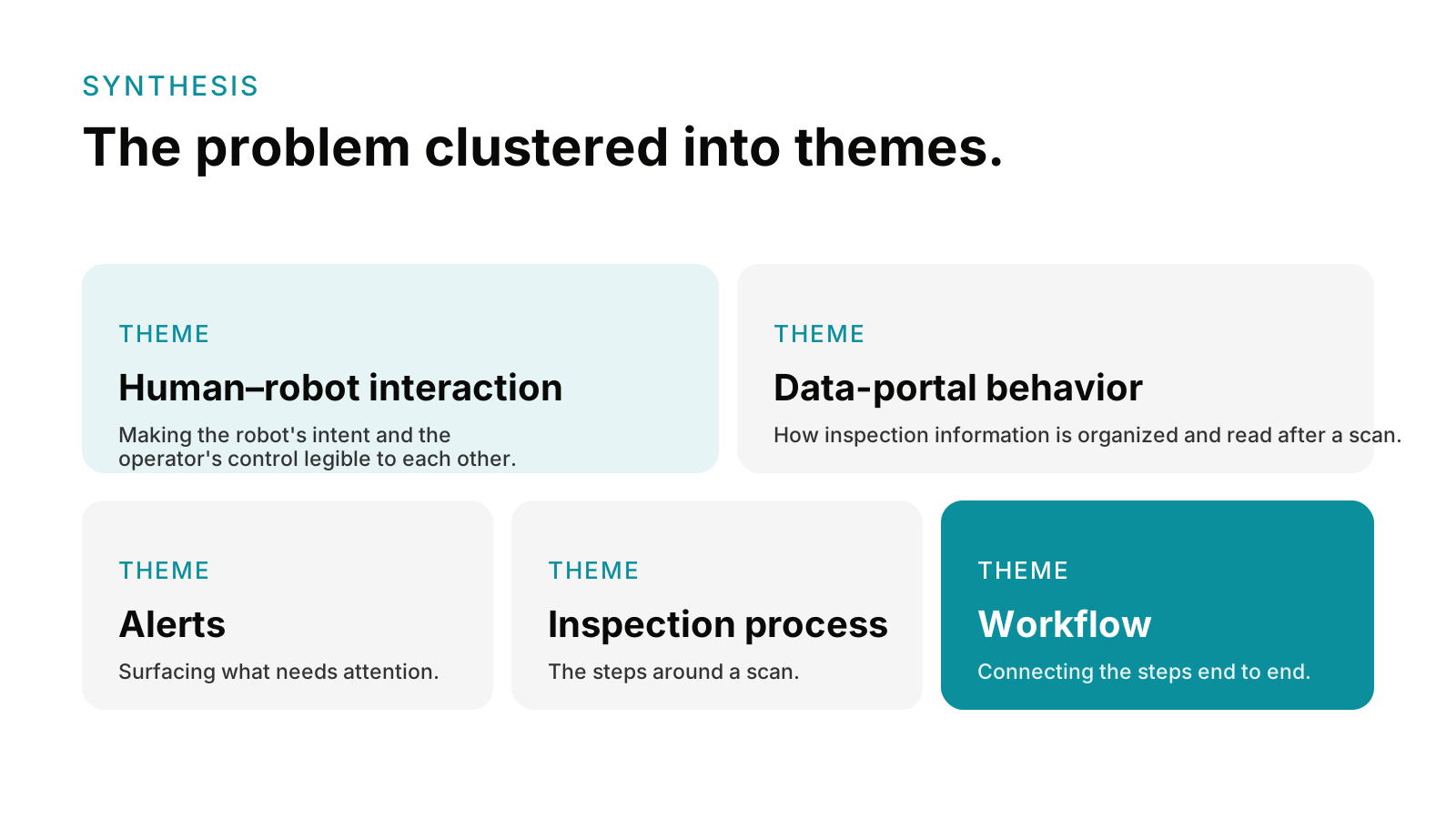
Synthesis turned a broad problem into workable themes.
Workshop synthesis grouped the problem into recurring themes: human–robot interaction, how the data portal should behave, alerts, the inspection process itself, and the workflow that connected them.
Those themes set the agenda for the interface work, and made clear that route planning and the data portal were the two surfaces that most needed attention.
Route planning was the section assigned to me.
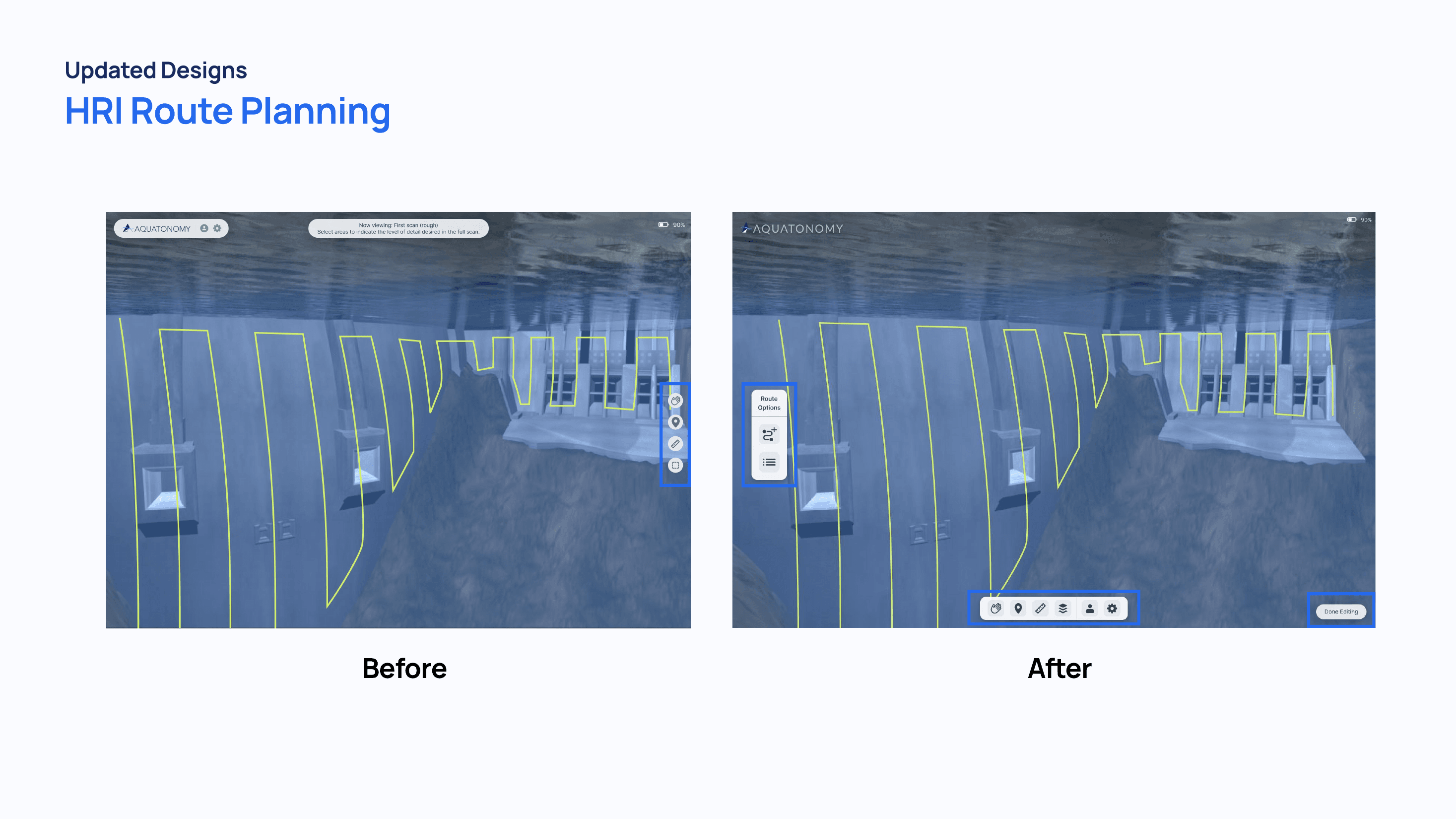
The design-review agenda assigns the human–robot route-planning section to me, and the final presentation documents the route-planning interface it describes — including the before-and-after shown here.
Route planning is a negotiation: the operator sets intent, the system proposes a path, and the operator edits it. The work focused on making that editing loop clearer and harder to get wrong.
Editing a route got three concrete fixes.
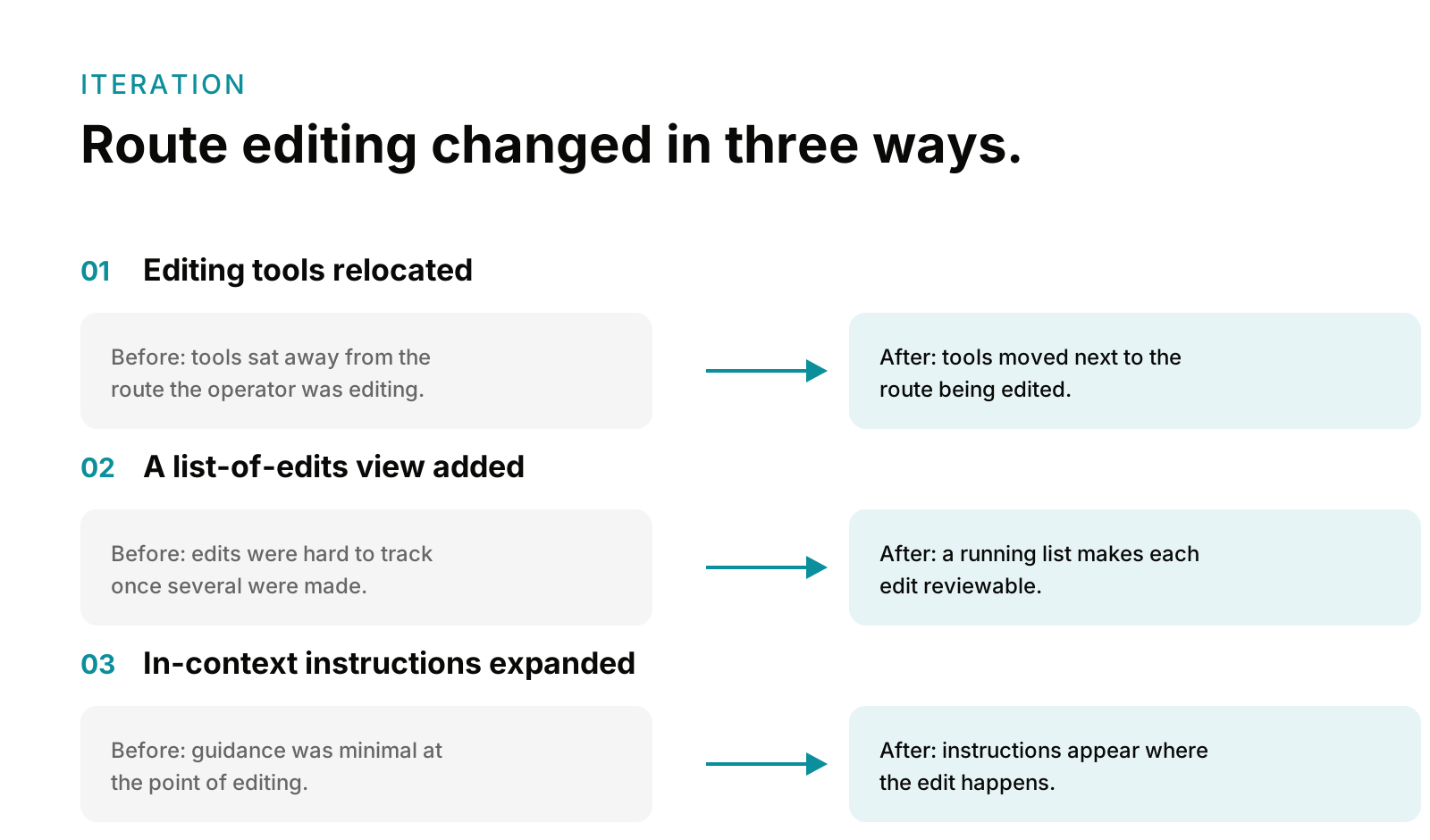
The final deck documents three before-and-after changes to route editing: the editing tools were relocated next to the route being edited, a list-of-edits view was added so changes could be tracked, and in-context instructions were expanded so guidance appeared where the edit happened.
Each change targets the same problem — keeping the operator oriented while they alter a plan the system generated — rather than adding new capability.
The other half of the loop was reading the results.
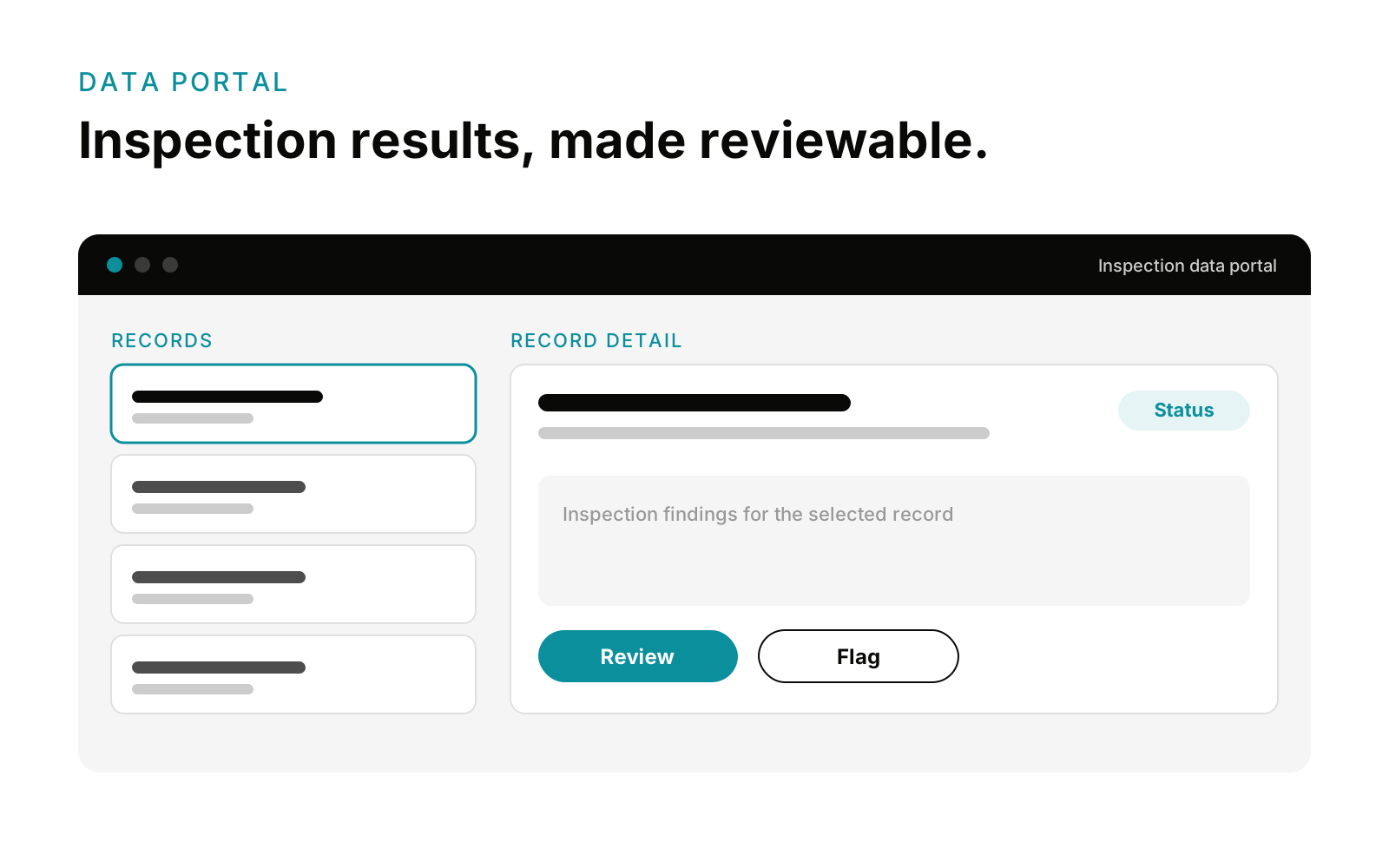
A scan only becomes valuable once someone can act on what it found. The inspection-data portal was scoped to turn scan output into a reviewable structure: a list of inspection records, a detail view that keeps status visible, and clear review actions.
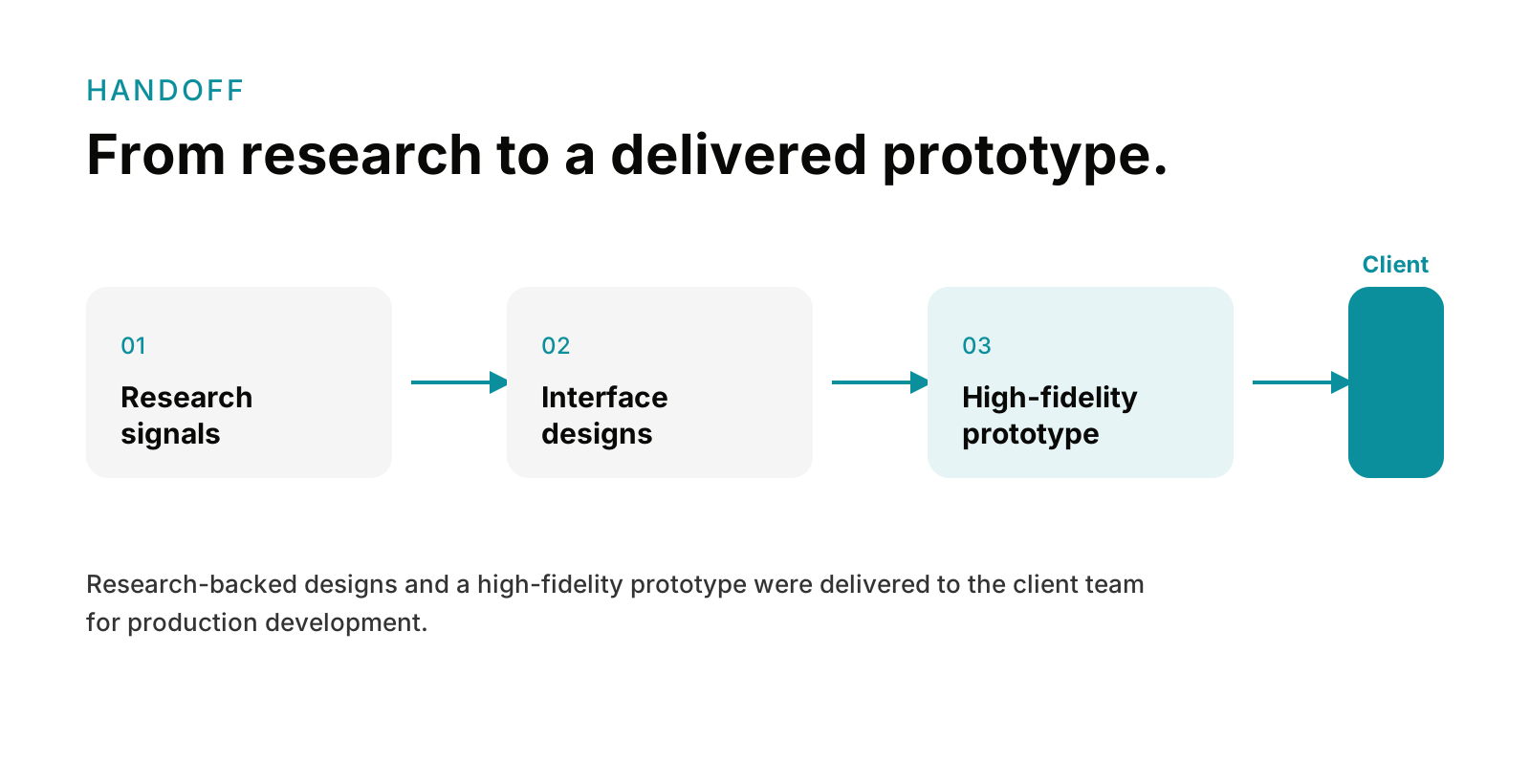
The designs and prototype were handed to the client team.
The research-backed interface designs and a high-fidelity prototype were delivered to the client team as an implementation handoff for production development.