- UX Research
- Product Strategy
- Prototyping
- Community
ARM Community Redesign
Research, product strategy, and responsive prototyping for an established member portal and community ecosystem.
- Timeframe
- Jan–Aug 2025
- Role
- Product Design Lead · Capstone
- Contribution
- Led the cross-functional redesign, synthesized research into requirements and a feature roadmap, and delivered an implementation-ready responsive portal and design system.
Redesigning how ARM members find opportunities, resources, and one another.
ARM already had a live member portal serving a network across industry, government, and academia. Our capstone team was asked to examine the wider member experience and propose a more useful path into participation.
As Product Design Lead, I led the redesign effort, translated research into requirements and a feature roadmap, and helped deliver a responsive prototype and design-system foundation. The work was handed to the ARM client team for implementation planning.
One portal had to support several kinds of member value.
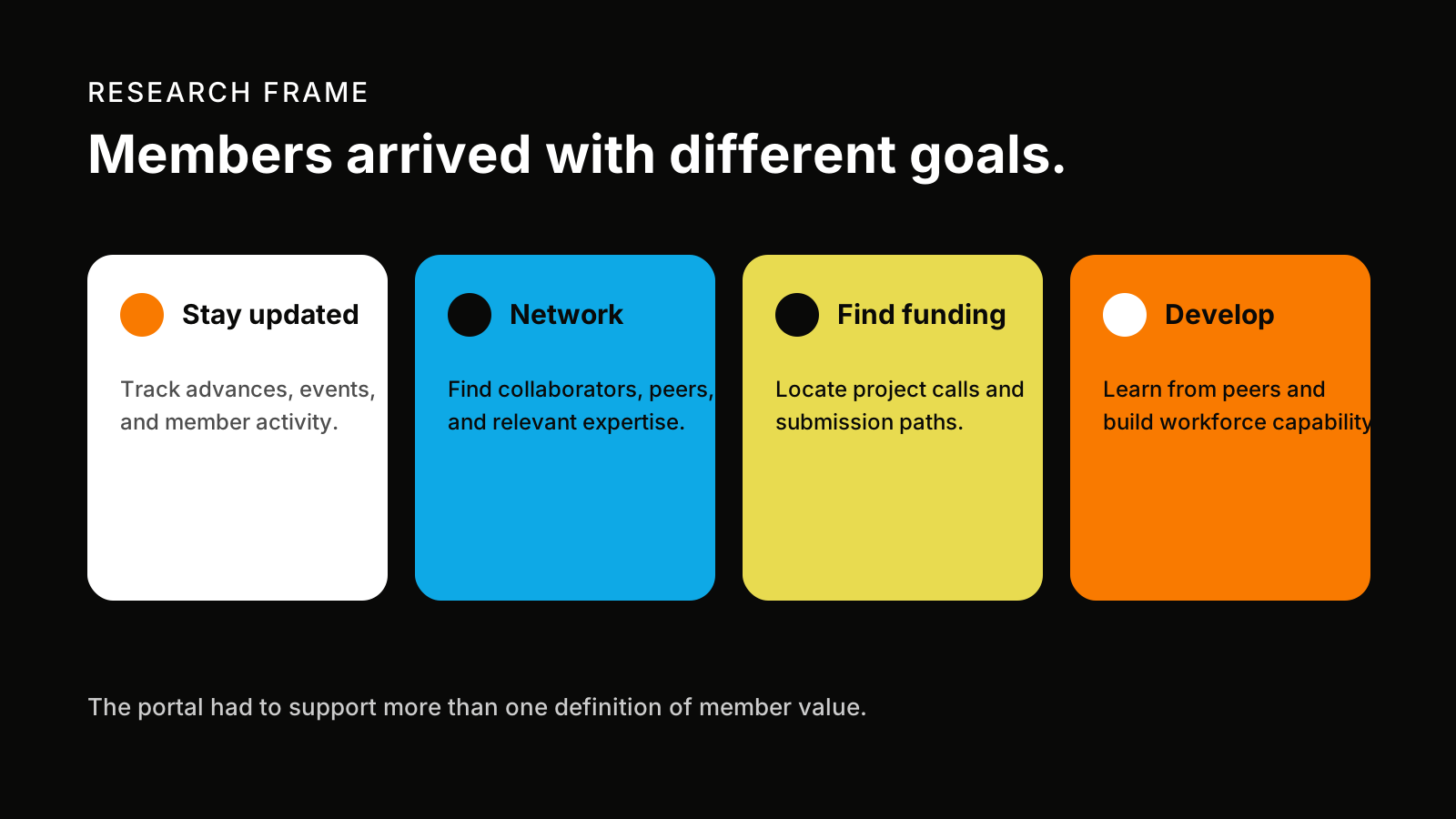
Members joined ARM to stay current on robotics, meet collaborators, find project funding, and develop professional capability. Those goals overlapped, but they did not produce one universal portal task.
The design challenge was therefore broader than navigation. The portal needed clearer entry points for members arriving with different goals and different levels of familiarity with the organization.
We treated member differences as part of the product problem.
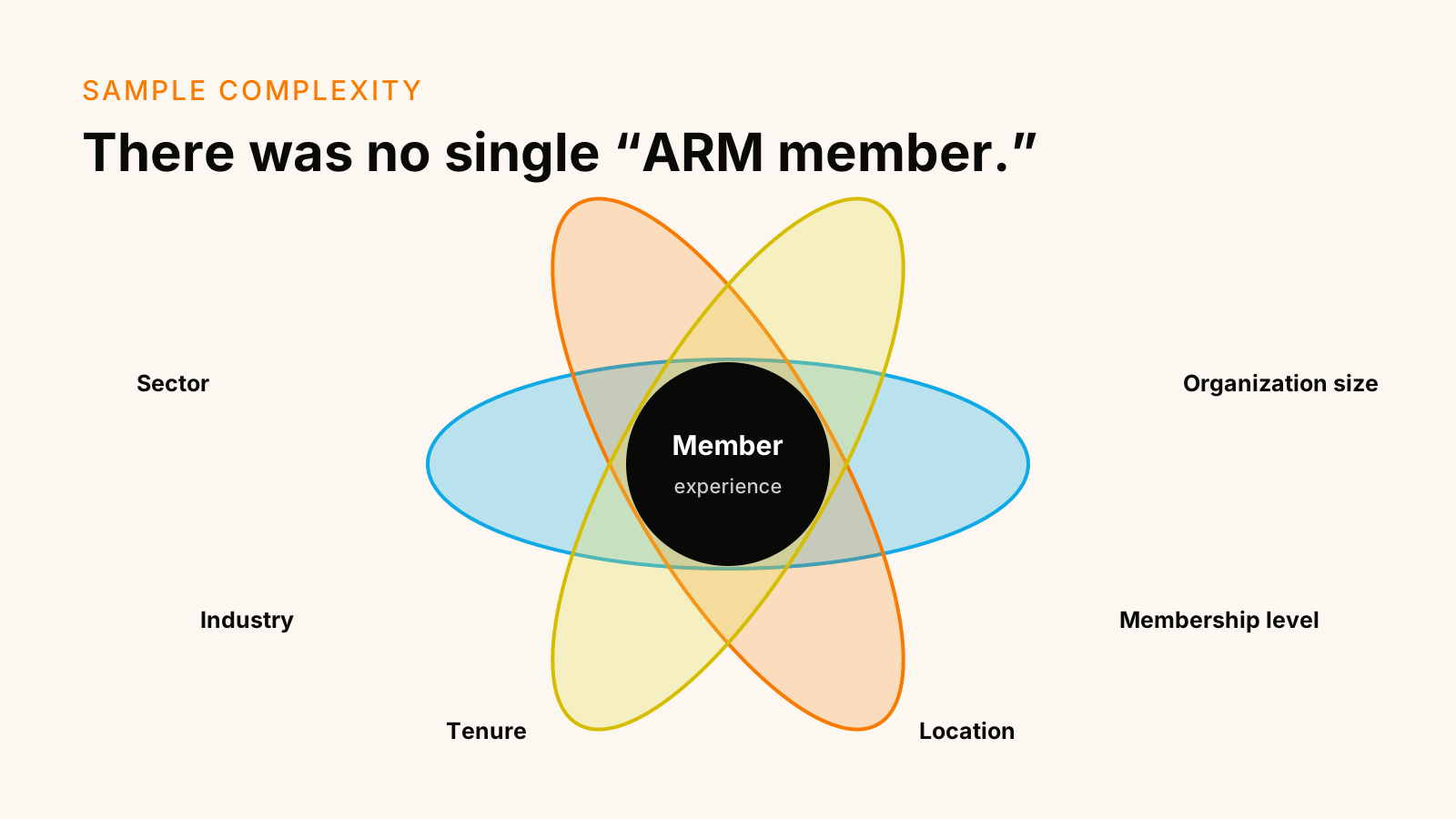
The research sample intentionally spanned sector, organization size, industry, membership level, tenure, and location. Members varied in what they knew, what they needed, and how easily they could find relevant paths into ARM.
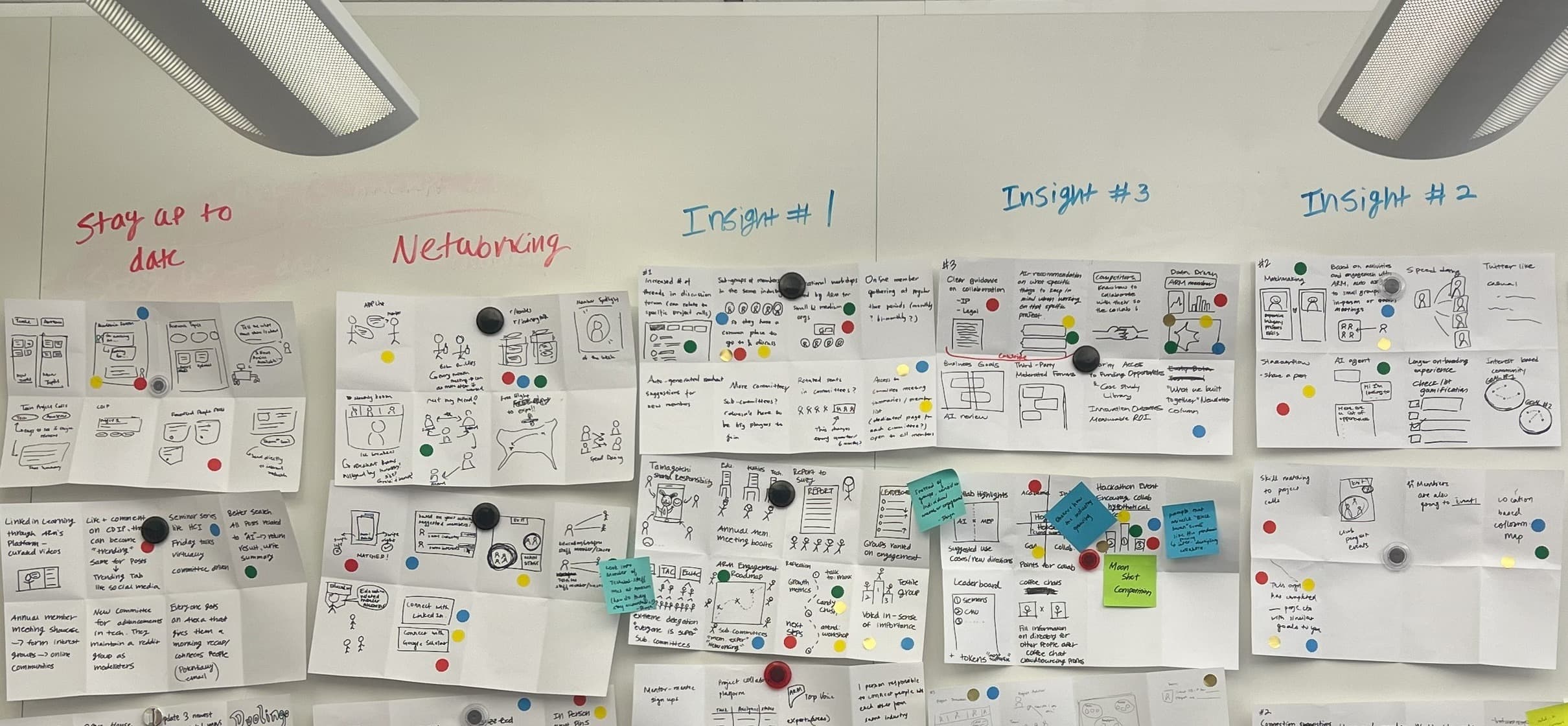
We used interviews, survey synthesis, experience mapping, concept generation, and prototype evaluation across the project. The ideation wall shows the breadth of early responses before concepts were grouped and compared.
Three barriers described the same gap from different angles.
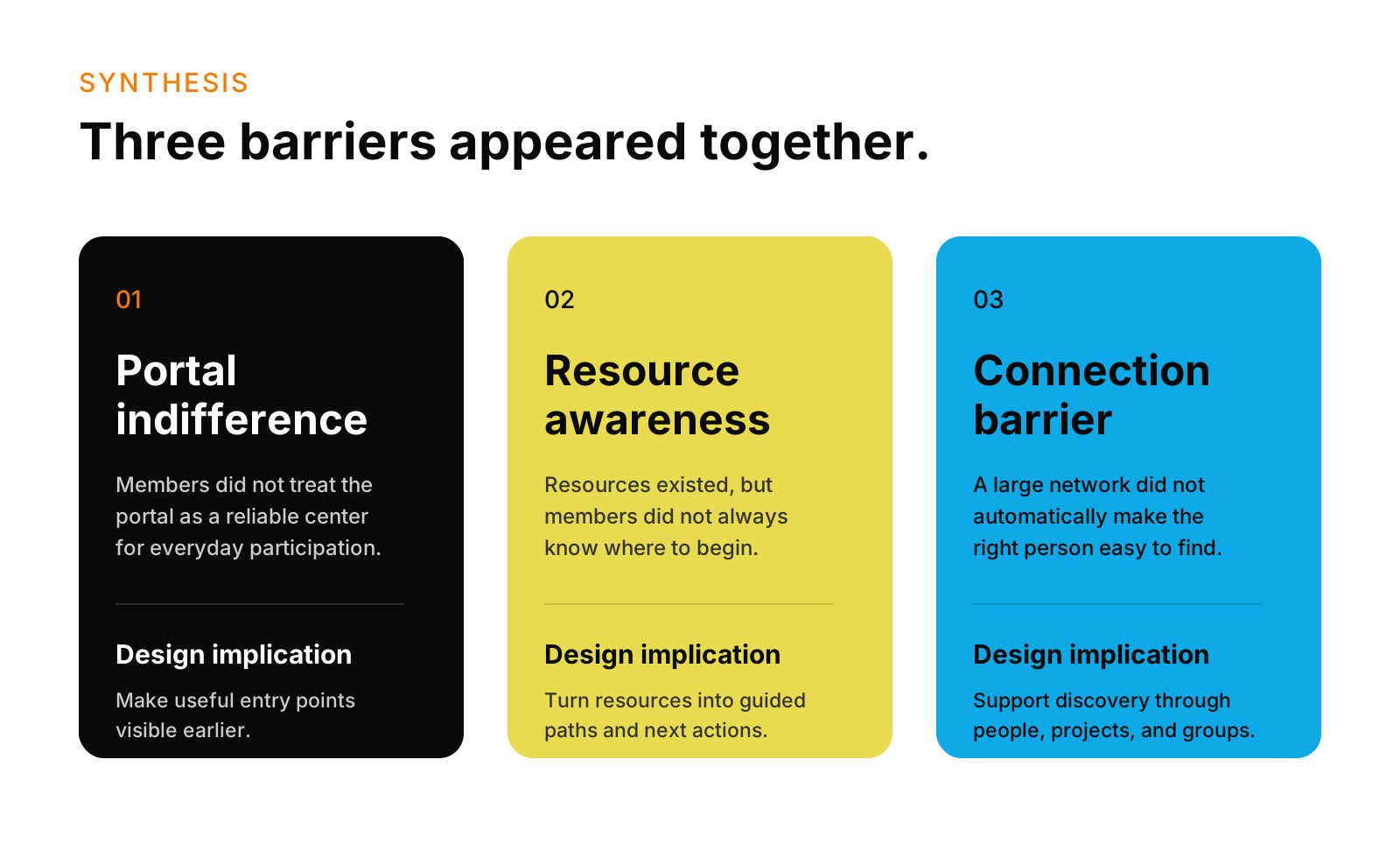
The team research synthesis grouped findings around portal indifference, limited awareness of available resources, and difficulty connecting with other members.
We treated these as connected design signals, not separate feature requests. The working hypothesis was that clearer paths into resources, opportunities, and people would make the portal more useful for members arriving with different levels of context.
The question shifted from portal usage to participation.
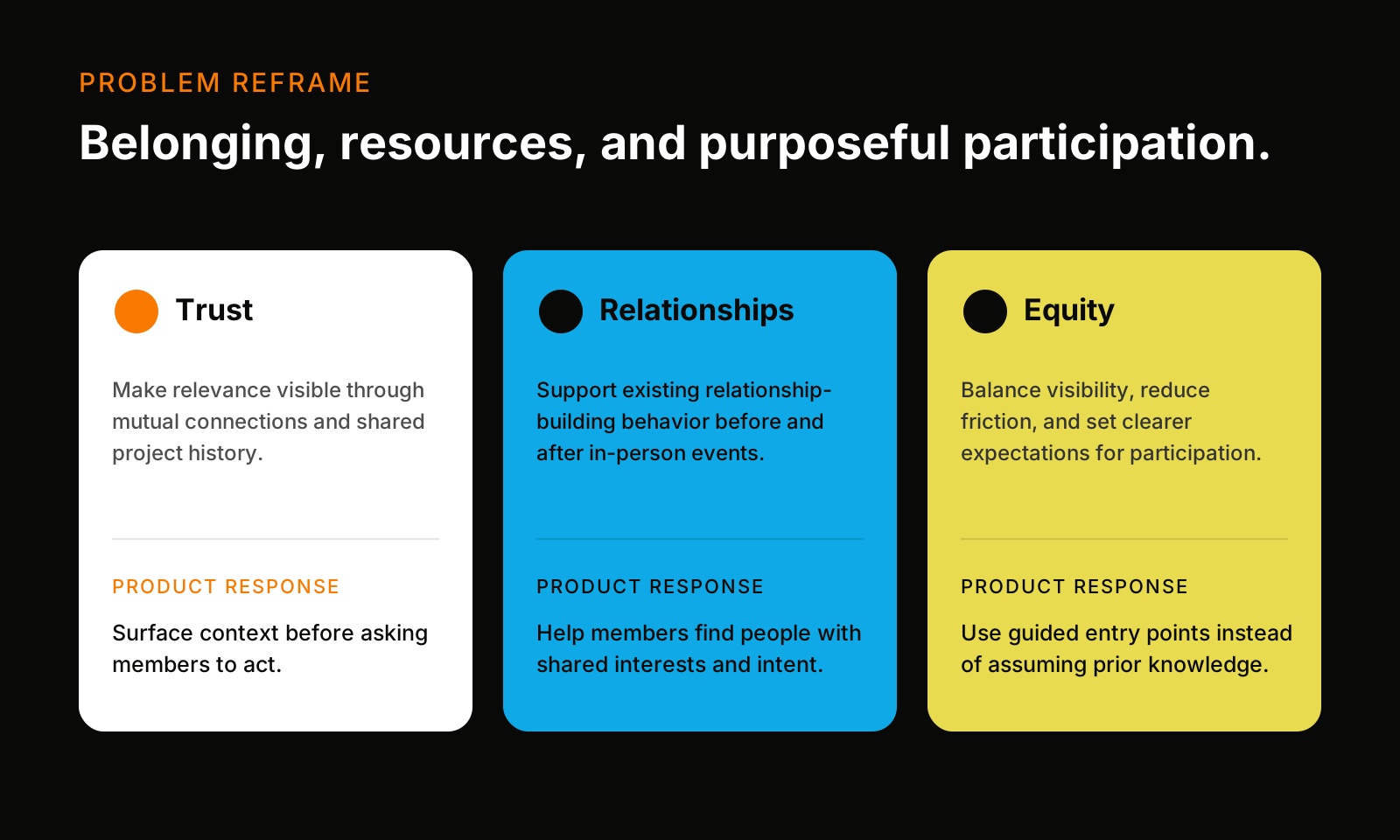
The project reframe was to help members find belonging, resources, and ways to engage. From there, the team defined three principles: make trust signals visible, support relationship-building, and create more equitable entry points for members without existing context.
Those principles translated into specific interface choices: clearer status, structured detail, visible next actions, guided entry points, and better context around people and projects.
Concepts were compared before the team committed to a product direction.
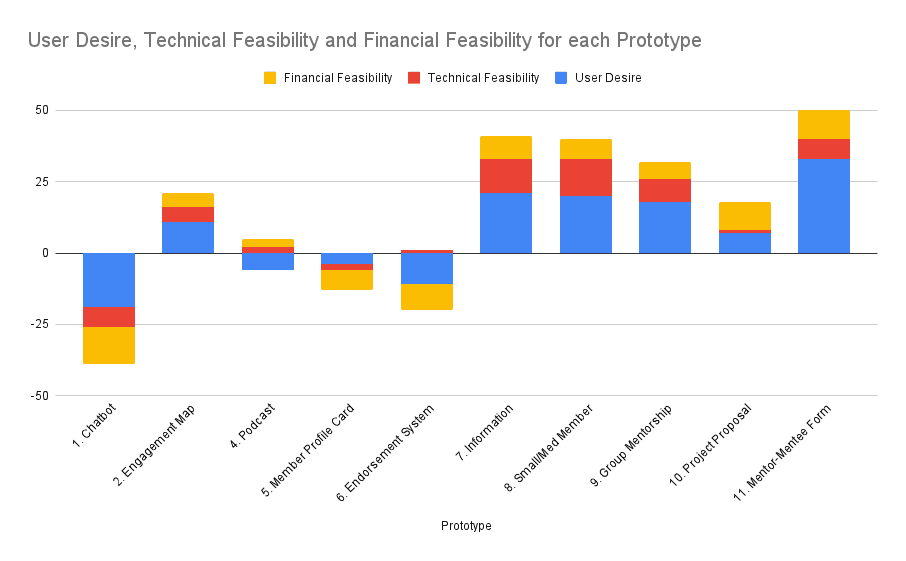
The team explored multiple concepts for information access, member connection, mentorship, and project participation. The public evaluation artifact compares concepts across user desire, technical feasibility, and financial feasibility.
The comparison gave the team a shared basis for discussing which concepts to prototype in more depth before narrowing the product direction.
The portal work narrowed to three workflows and three system levels.
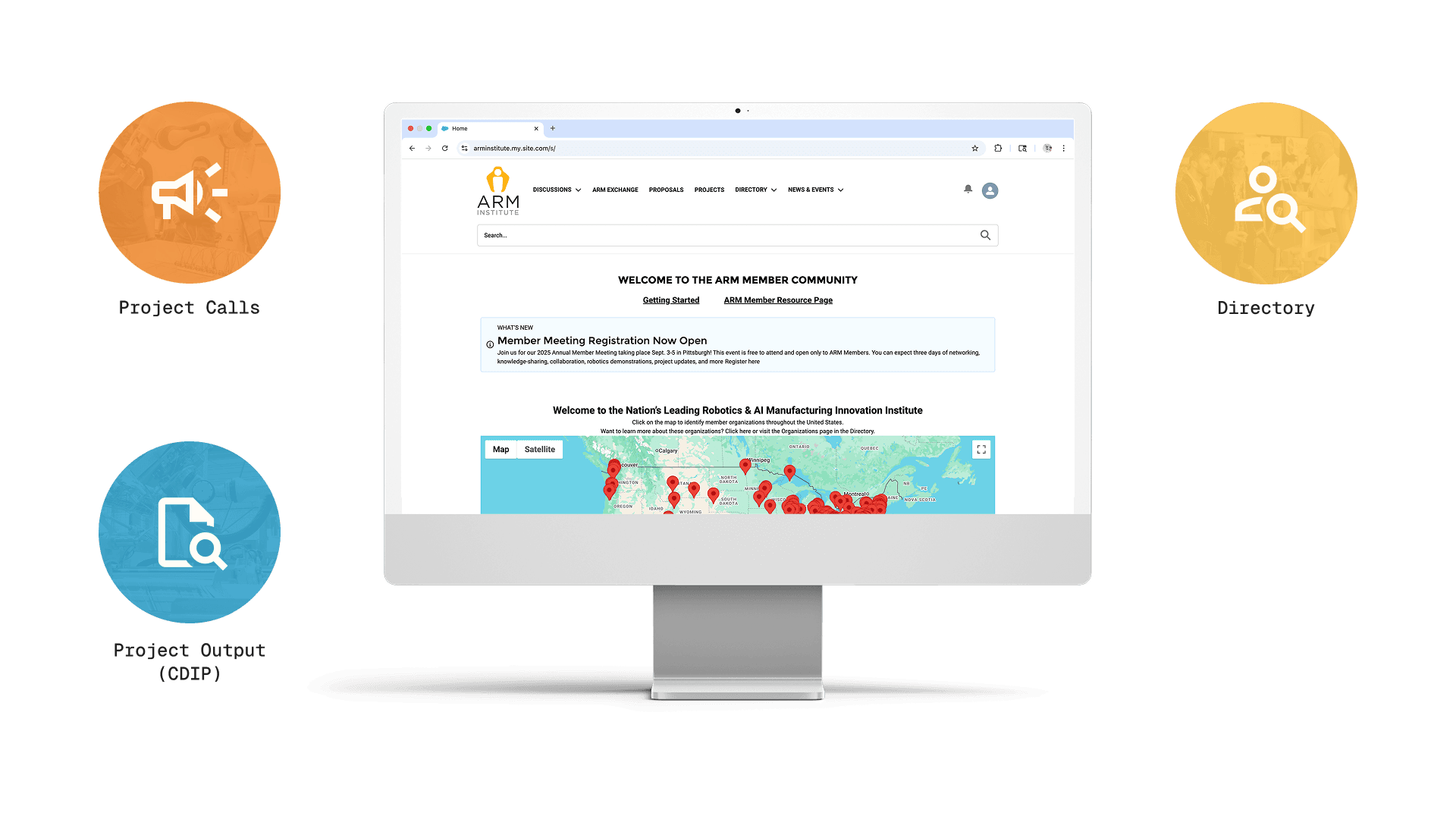
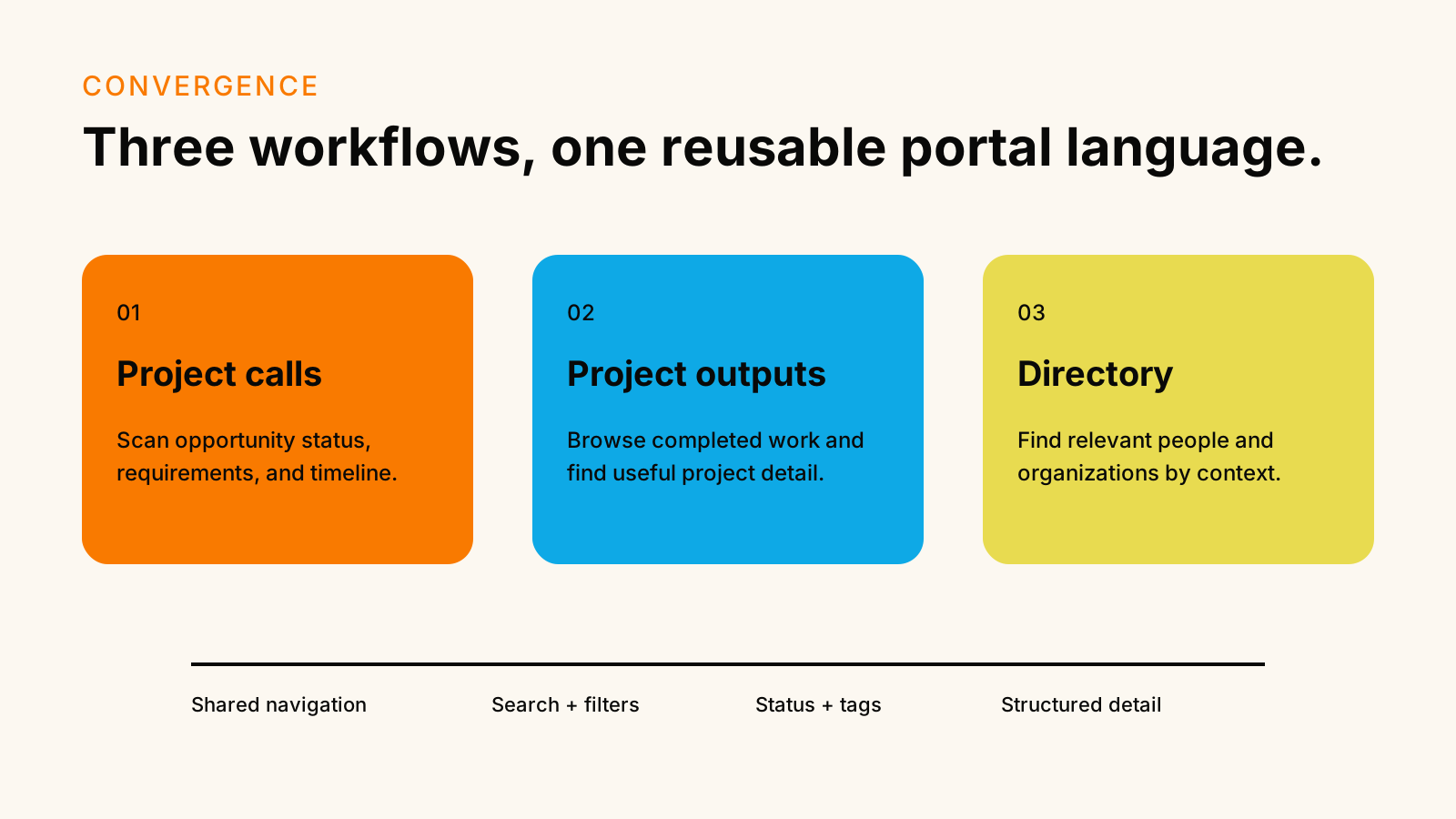
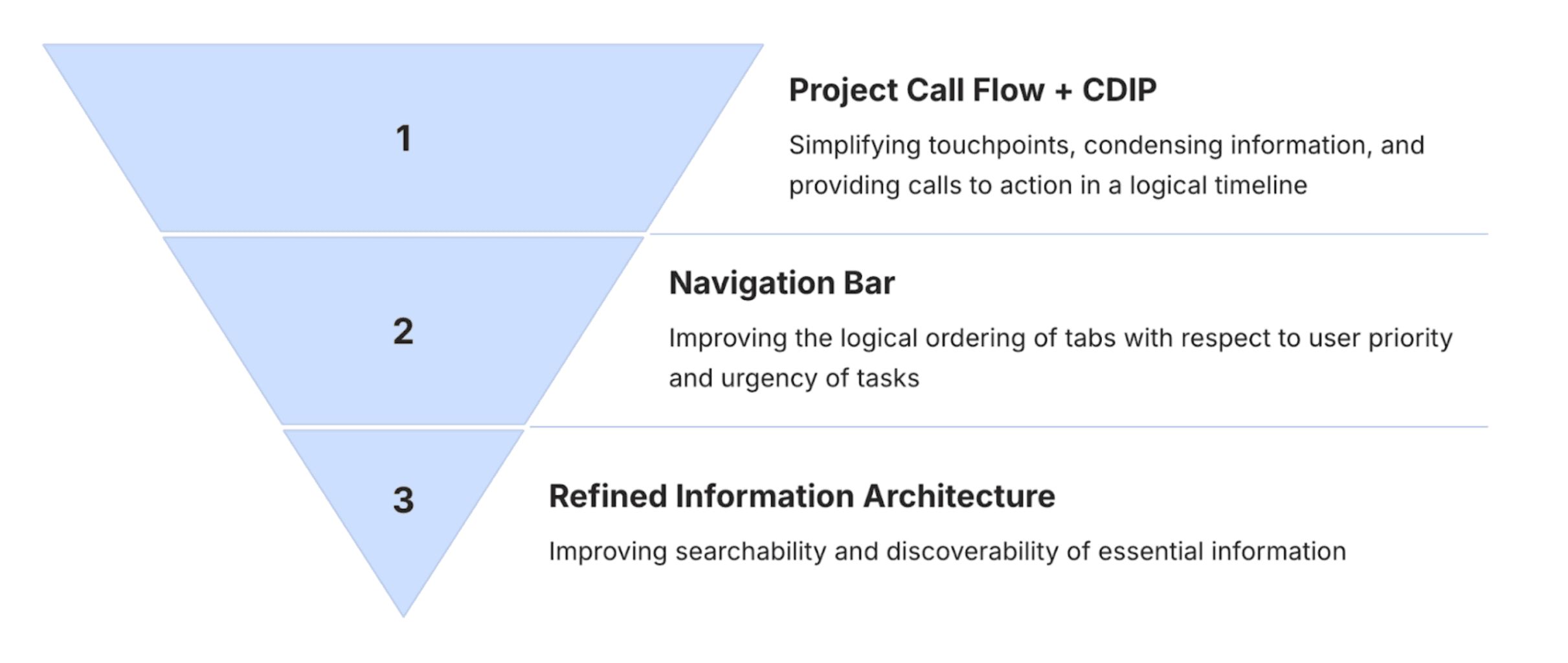
For the portal redesign, the team selected Project Calls, project outputs or CDIP, and Directory. Together they covered opportunity discovery, knowledge discovery, and people discovery while sharing navigation, filtering, status, and structured-detail patterns.
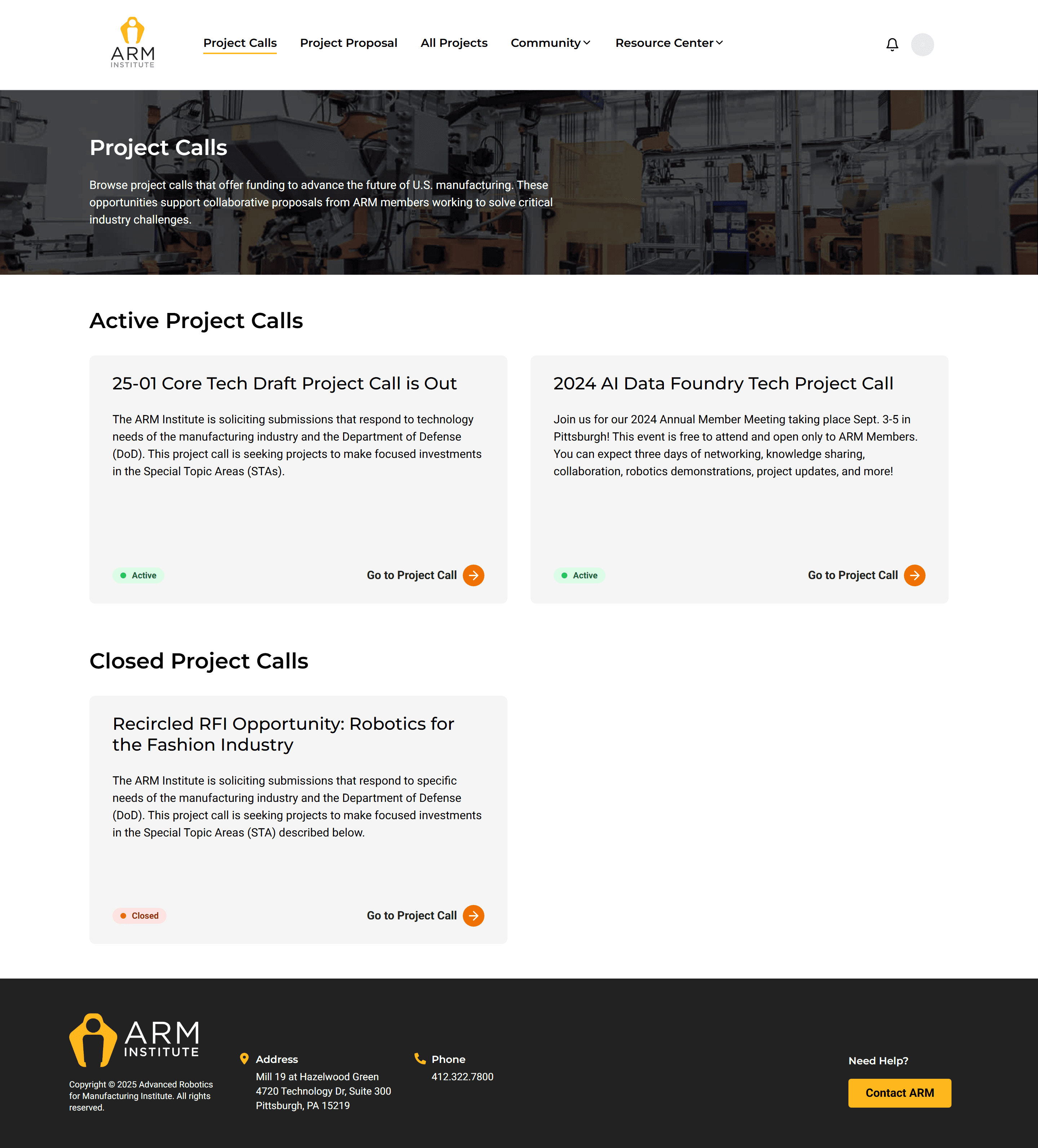
Iteration happened at three levels: the end-to-end project-call and CDIP flows, the ordering of global navigation, and the information architecture used to make essential material searchable and visible. The running prototype directory here shows the built result: active and closed calls separated, with status on each card.
The final concept paired portal utility with a smaller community model.
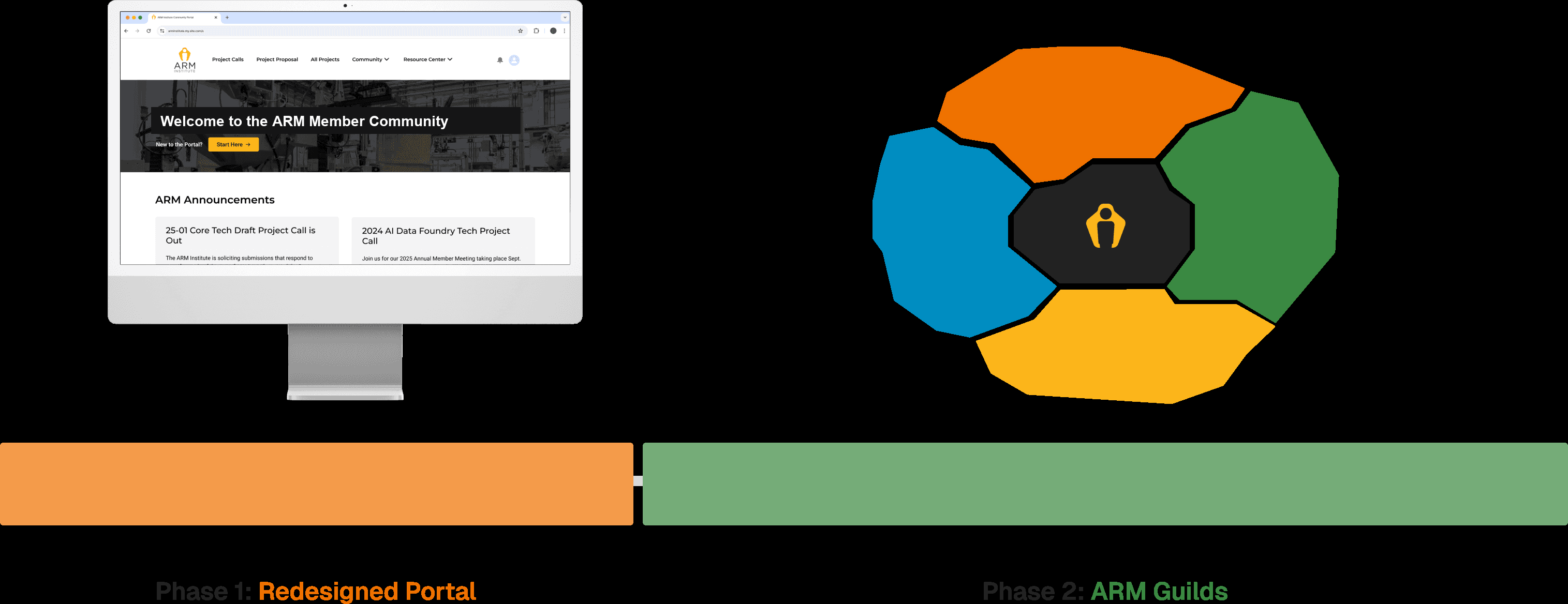
The project presented two connected directions. The redesigned portal addressed information structure and key member tasks. ARM Guilds explored smaller, interest-led groups for mentorship, exchange, and ongoing participation.
Keeping both directions made the distinction explicit: finding information and forming relationships were related problems, but they required different product responses.
Project calls show how the system turned dense information into a sequence.
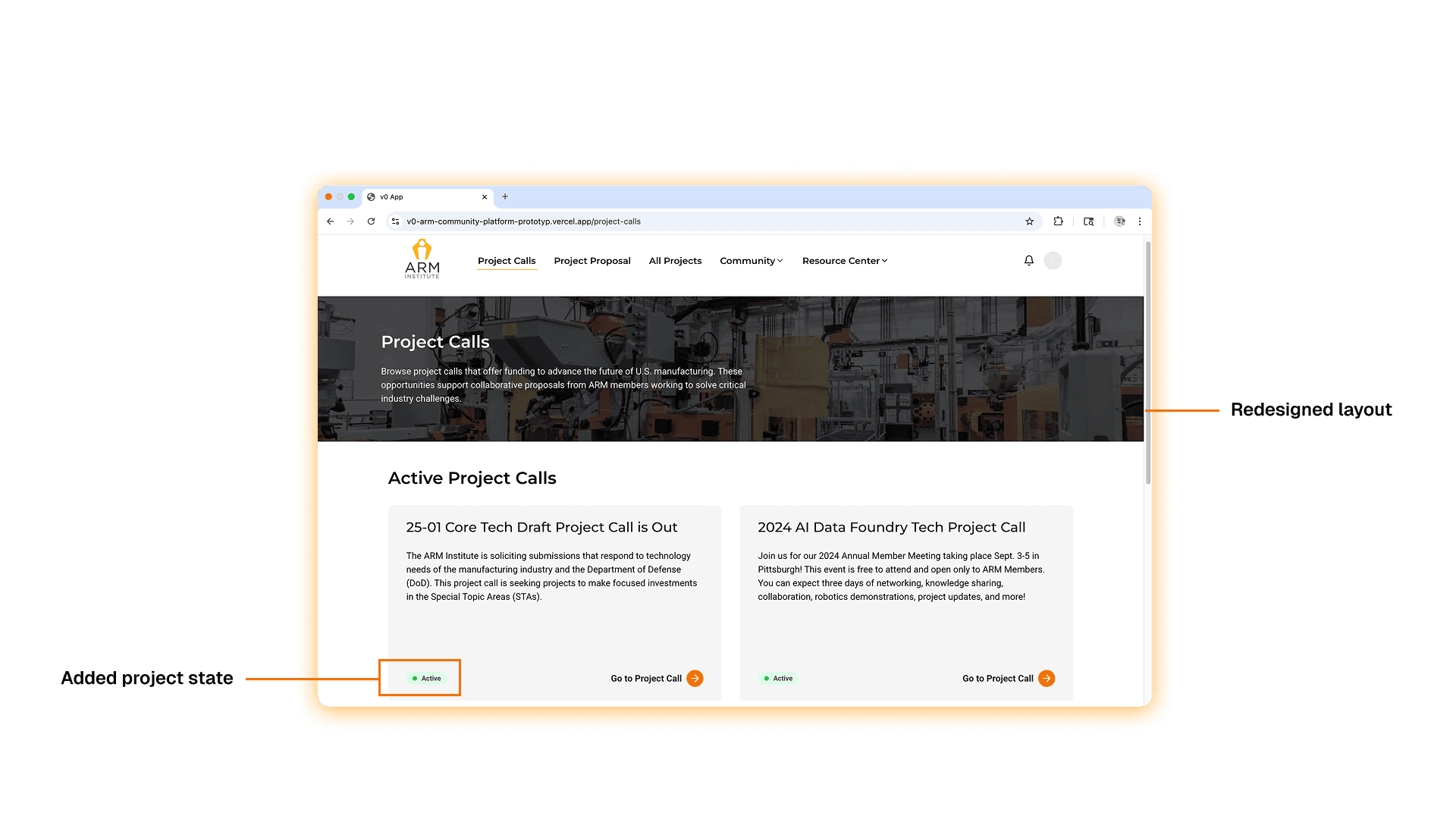
At the directory level, active and closed calls are separated and status appears directly on each card. A member can compare opportunities before opening a full record.
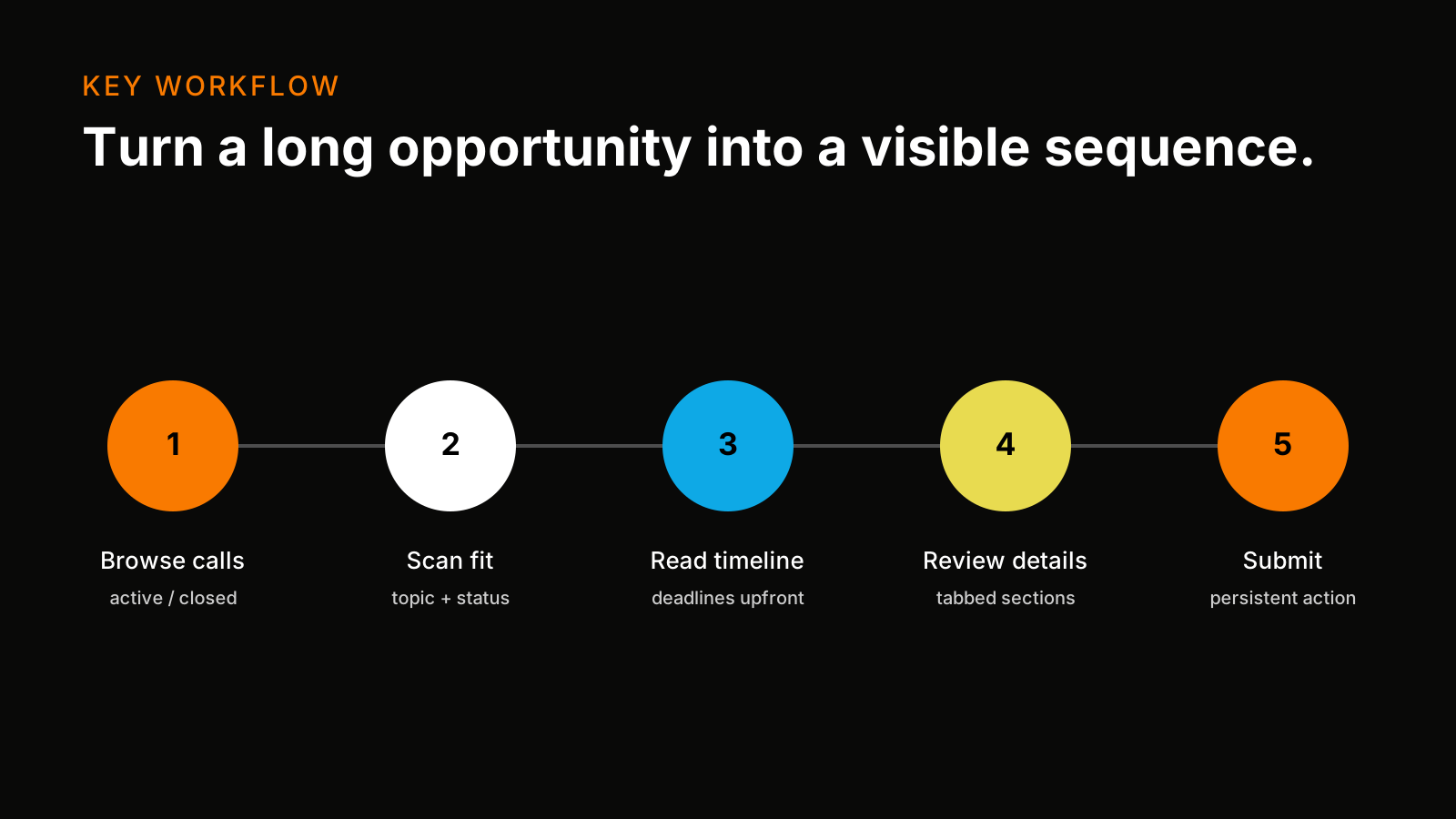
The reconstructed flow shows the intended sequence: browse calls, scan fit and status, read the timeline, review requirements, then submit. Each step corresponds to information visible in the public project screens and prototype route.
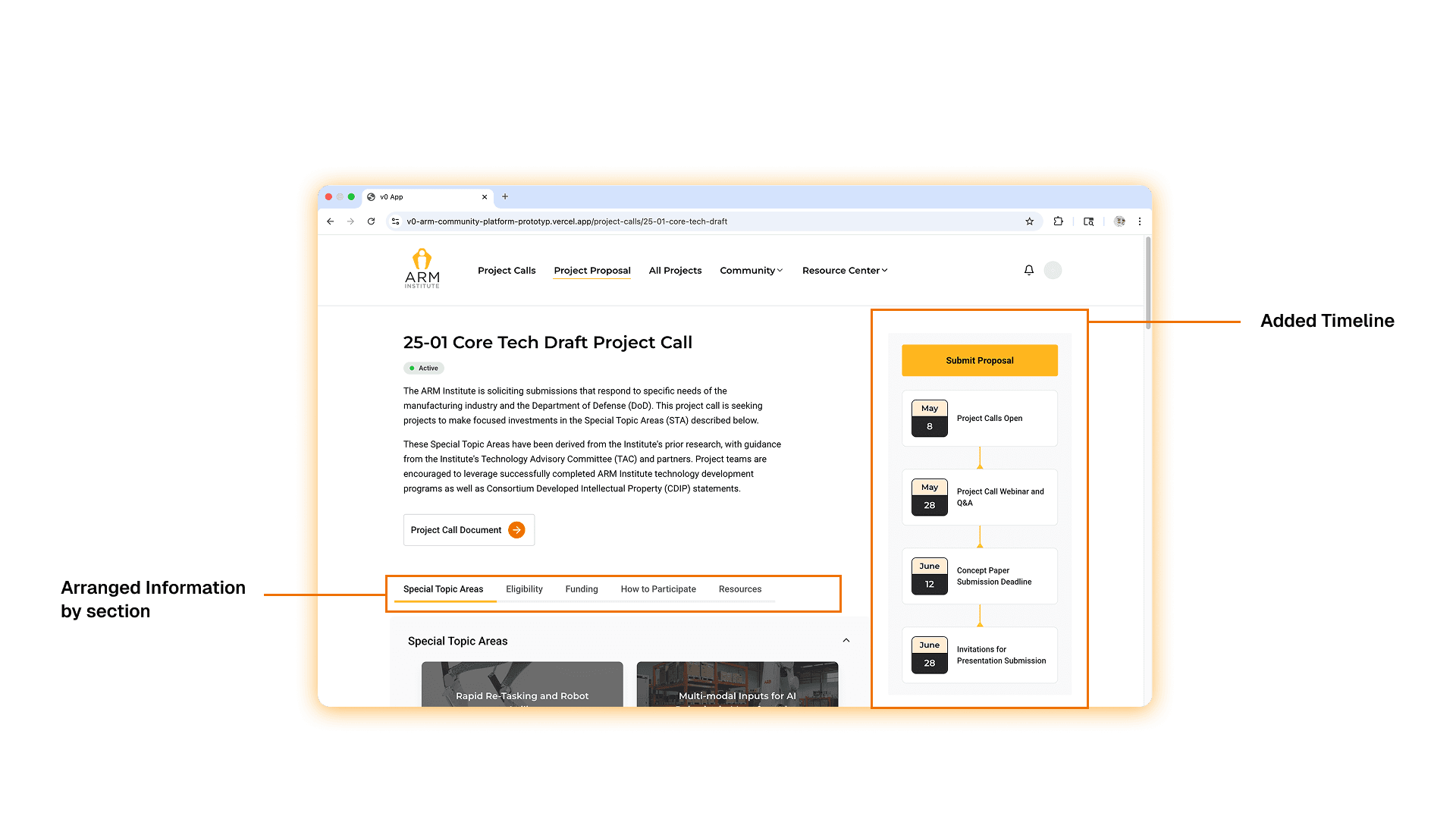
The detail page keeps requirements, deadlines, and action in view.
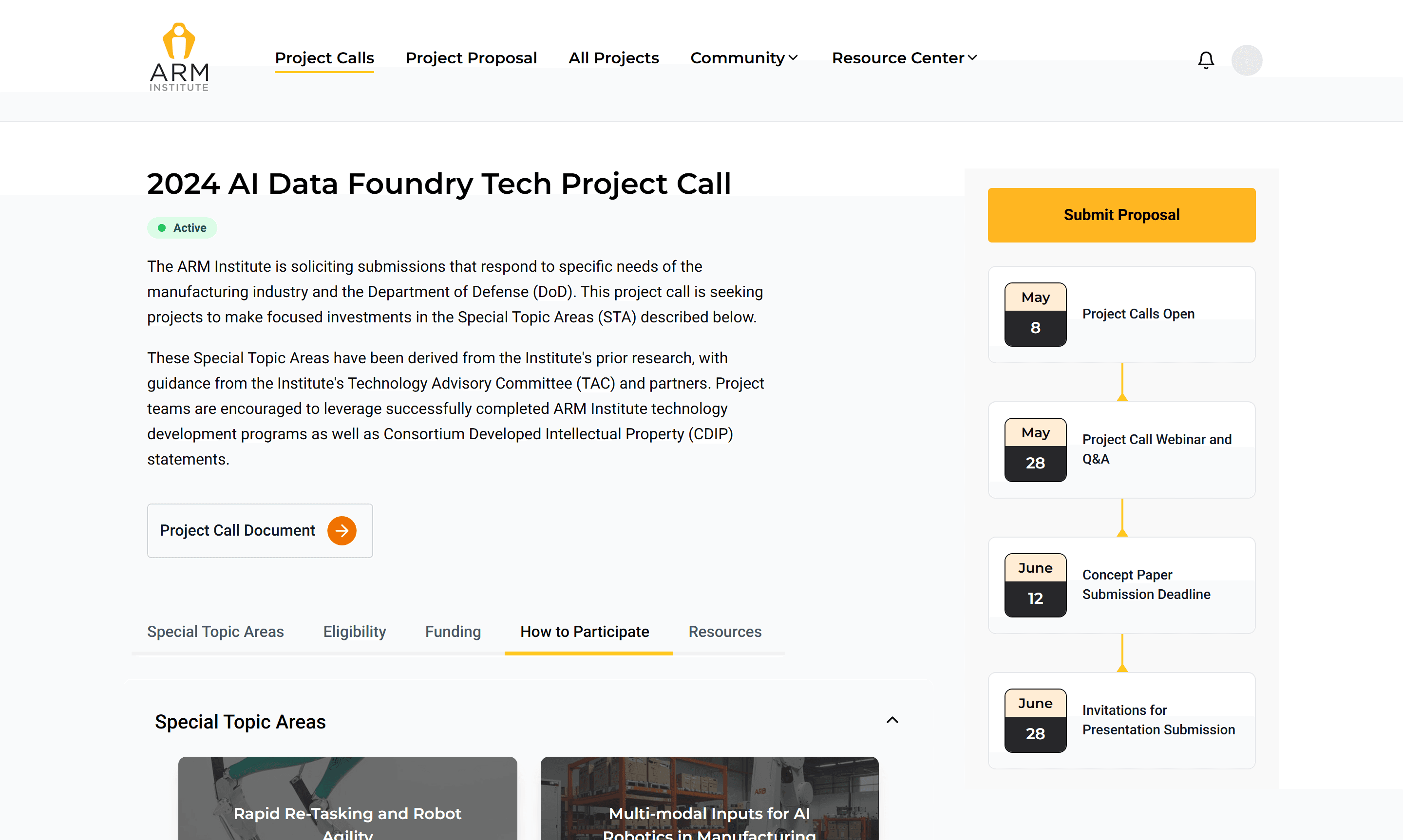
The project-call detail view separates content into tabbed sections for topic areas, eligibility, funding, participation, and resources. A right-side timeline keeps dates visible, while the proposal action remains attached to the same decision context.
The change moves key dates and section structure out of a long undifferentiated page and into visible interface components. Members can see the shape of the call before reading every section. The second image is the same page in the running prototype.
Guilds gave relationship-building a smaller operating unit.
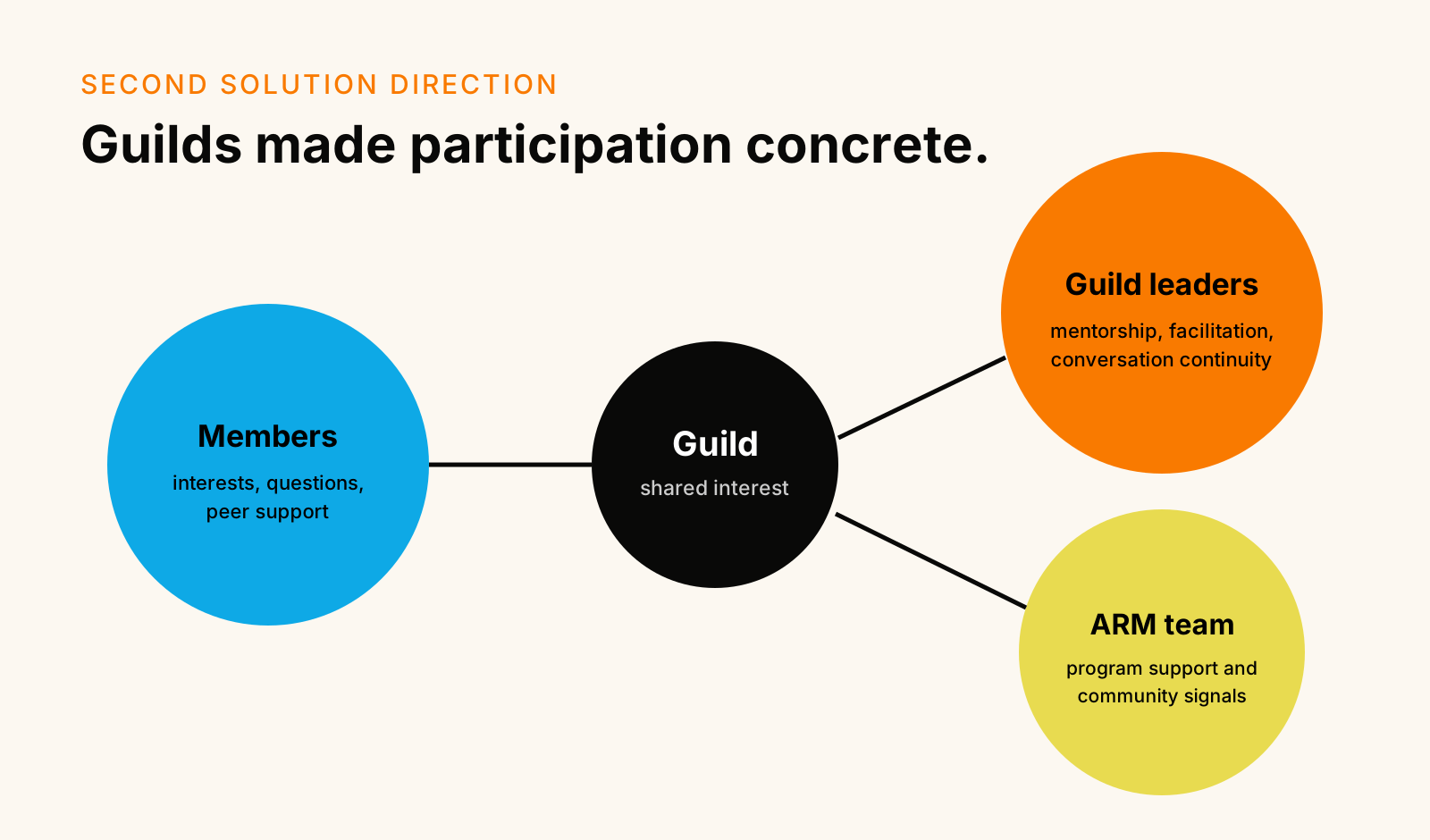
The guild concept begins with members distributed across a large network. Shared interests create a smaller group, guild leaders support continuity and mentorship, and the ARM team supports the program and receives community signals.
The guild concept was presented as a direction, not a production feature, showing how the team translated the research theme of belonging into a service and participation model beyond the directory itself.
The final prototype carried the research logic into reusable implementation patterns.
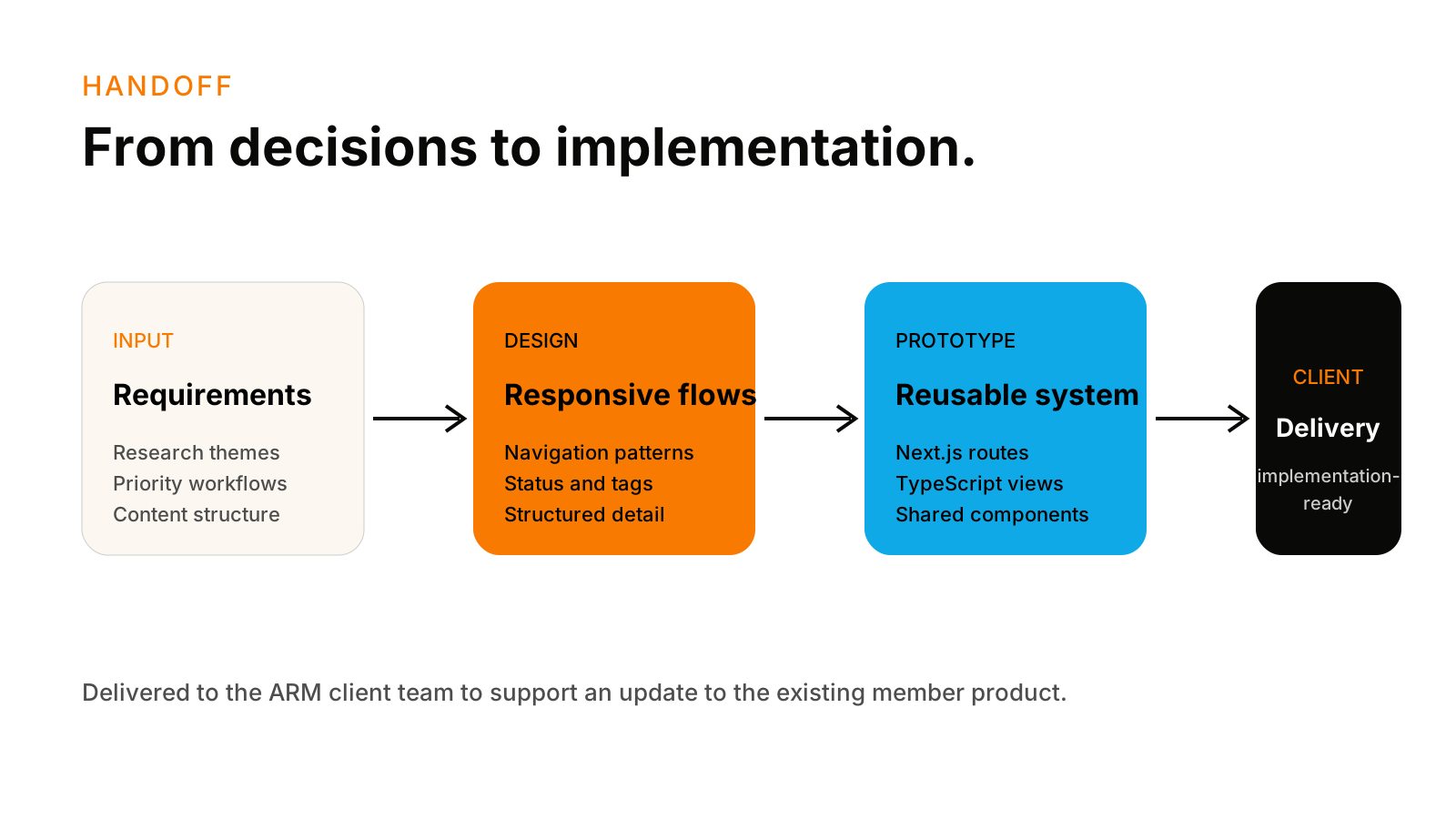
The prototype contains Next.js and TypeScript views for project calls, proposals, project outputs, member and organization directories, events, articles, webinars, and the member guide. Shared navigation and interface components connect those routes into one prototype system.
The responsive prototype and design-system foundation were delivered to the ARM client team to support an update to the existing member product.